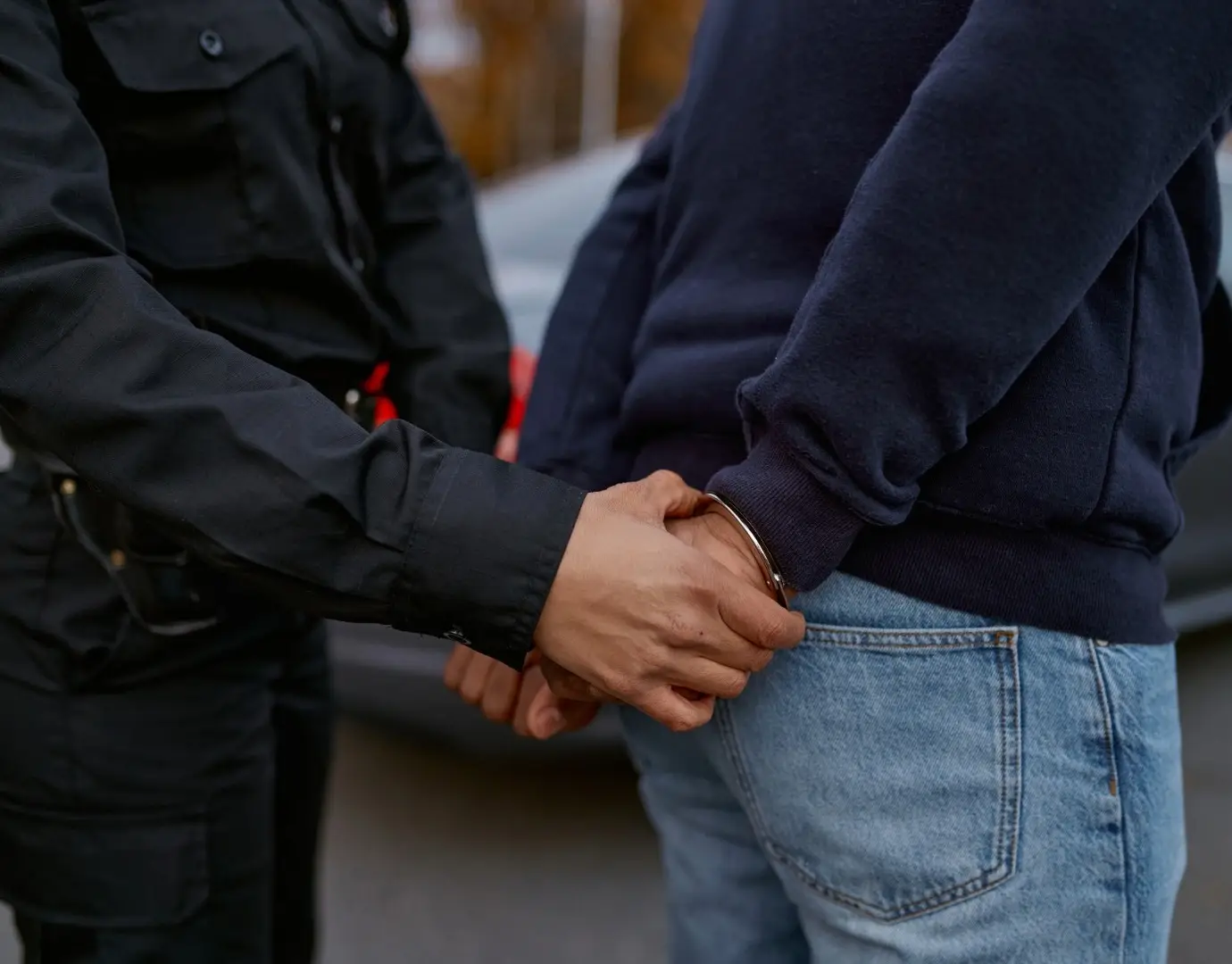
If you have been arrested or charged with a theft-related offense in North Carolina, you are likely unsure what happens next. For many people, this is their first experience with the criminal justice system, and the process can feel confusing and stressful.
Understanding the steps that follow a theft arrest can help you better prepare and avoid mistakes that could affect your case.
What Counts as a Theft Arrest in North Carolina?
A theft arrest can involve a range of charges, including larceny in North Carolina, possession of stolen goods, or related property crimes.
In some cases, a person may be formally arrested. In others, they may receive a citation or criminal summons requiring them to appear in court at a later date.
Regardless of how the charge begins, the legal process that follows is similar.
Step 1: Arrest, Citation, or Criminal Summons
The process usually begins in one of three ways:
- A physical arrest by law enforcement
- A citation issued at the scene
- A criminal summons requiring a future court appearance
An arrest may involve being taken into custody, booked, and processed. A citation or summons allows the individual to remain out of custody but still requires them to appear in court.
Step 2: First Court Appearance
After a theft charge, the first court appearance typically takes place in District Court.
At this stage, the court will:
- Inform you of the charges
- Address bond or release conditions if applicable
- Set future court dates
This initial appearance is often brief, but it is an important step in the process.
Step 3: Understanding the Charges
After the first appearance, it is important to fully understand the specific charges you are facing.
The classification of the charge will affect how the case proceeds. For example, a misdemeanor larceny charge is handled differently than felony larceny in North Carolina, which can carry more serious consequences.
In some cases, additional charges such as breaking and entering charges in North Carolina or possession of stolen goods may also be involved.
Step 4: Investigation and Evidence Review
After charges are filed, the case moves into a phase where evidence is reviewed and evaluated.
This may include police reports, witness statements, video footage, or other forms of evidence. The strength of this evidence can have a significant impact on how the case is resolved.
At this stage, decisions begin to shape the direction of the case.
Step 5: Negotiation or Pre-Trial Process
Many theft cases are resolved before trial through negotiation.
Possible outcomes during this phase may include:
- Reduction of charges
- Agreements on sentencing or penalties
- Alternative resolutions depending on the case
Not all cases are resolved at this stage, but it is a common part of the process.
Step 6: Trial or Final Resolution
If a case is not resolved through negotiation, it may proceed to trial.
At trial, the prosecution must prove the charges beyond a reasonable doubt. Depending on the outcome, the case may result in a conviction, dismissal, or other resolution.
Many cases, however, are resolved before reaching this stage.
What Factors Affect the Outcome of a Theft Case?
Several factors can influence how a theft case is handled and resolved.
These include:
- The value of the property involved
- The strength of the evidence
- Whether force or additional offenses are involved
- The individual’s prior record
For someone with little or no prior record, the case may be approached differently than a repeat offense. You can learn more about how these cases are handled in our guide to first offense larceny in North Carolina.
Even small details can have a significant impact on the outcome.
How Theft Cases Are Handled in Western North Carolina
In Western North Carolina, including Buncombe, Haywood, Jackson, Macon, and Graham counties, theft cases may be handled differently depending on local practices.
Factors such as the specific facts of the case and the approach of the local prosecutor can influence how the case progresses.
Because of this, having an understanding of the local court system can be important.
Common Mistakes to Avoid After a Theft Arrest
After an arrest or charge, certain mistakes can make the situation more difficult.
Common issues include speaking to law enforcement without understanding your rights, missing court dates, or failing to take the charge seriously.
Taking the situation seriously from the beginning can help avoid complications later.
Do You Need a Lawyer After a Theft Arrest?
Even for misdemeanor charges, the decisions made early in the process can affect the outcome of the case.
The steps following an arrest can be confusing. A theft defense attorney in Western North Carolina can help you understand what to expect and guide you through each stage of the process.
Early legal guidance can help you avoid mistakes and better understand your options.
Frequently Asked Questions
What happens immediately after a theft arrest?
You may be taken into custody, issued a citation, or given a court date depending on the situation.
Will I have to go to court for a theft charge?
Yes. Theft charges require a court appearance, even if you are not taken into custody.
Can theft charges be dismissed?
In some cases, yes. This depends on the evidence and how the case is handled.
How long does a theft case take in North Carolina?
The timeline varies depending on the complexity of the case and how it is resolved.